
Gombe State University School Fees for Medicine and Surgery (2024/2025)
Choosing to study Medicine and Surgery is one of the biggest career decisions anyone can make. It is a journey that requires years of hard work, patience, and financial commitment. For students who dream of becoming medical doctors at Gombe State University (GSU), one of the most pressing questions is: How much are the school fees for Medicine and Surgery at Gombe State University?
In this guide, we will break down the tuition fees, other charges, and everything you need to know as a new or returning student. We will also explain the difference between indigene and non-indigene fees, and why clinical years cost more than pre-clinical years.
About Gombe State University (GSU)
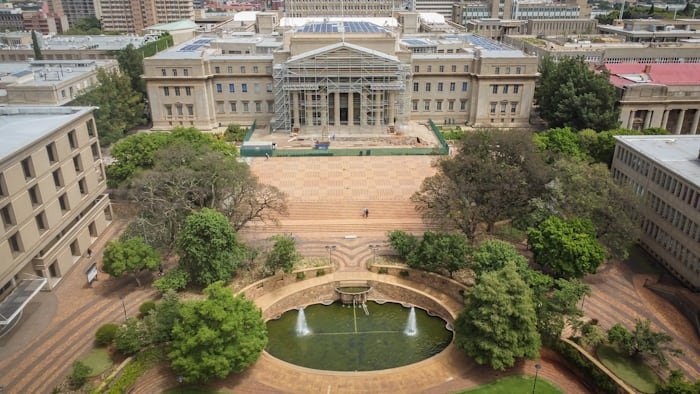
Gombe State University, located in Tudun Wada, Gombe, is a respected public institution founded in 2004. Over the years, the university has expanded into different faculties, including the College of Medical Sciences, which houses the Medicine and Surgery (MBBS) program.
The MBBS program at GSU is accredited by the Medical and Dental Council of Nigeria (MDCN), making it a reliable choice for anyone pursuing a medical career.
Why Focus on School Fees for Medicine and Surgery?
Studying medicine is different from many other courses. The program lasts longer (usually 6 years) and requires access to laboratories, clinical training, and teaching hospitals. Because of these additional resources, medical students generally pay higher fees compared to students in faculties like Arts or Social Sciences.
At GSU, the cost of studying Medicine and Surgery varies based on:
- Student category: Indigene vs Non-indigene vs International student
- Level of study: Pre-clinical years (100–300 level) vs Clinical years (400–600 level)
- Fresh vs Returning student: Freshers usually pay extra for acceptance and registration.
Gombe State University School Fees for Medicine and Surgery (2024/2025)
Based on the official GSU 2024/2025 fee schedule, here is the breakdown for MBBS students:
1. Pre-Clinical Years (100–300 Level)
- Indigenes: ₦161,250
- Non-Indigenes: ₦297,500
- Foreign Students: ₦630,000
These fees cover tuition, registration, and basic academic charges for students still in their early years of study (before clinical rotations begin).
2. Clinical Years (400–600 Level)
- Indigenes: ₦173,750
- Non-Indigenes: ₦335,000
- Foreign Students: ₦647,500
Fees increase at this stage because students start full clinical training at teaching hospitals, which involves additional costs.
3. Fresh Students (One-time Charges)
In addition to the tuition listed above, fresh MBBS students also pay some one-time charges:
- Acceptance Fee
- Medical Test Fee
- ICT & ID Card Fee
- Library Development Fee
- Caution Deposit
Altogether, these charges can add ₦25,000–₦40,000 depending on the session.
Comparison with Other Courses at GSU
For context, students in faculties like Arts or Education often pay between ₦40,000 – ₦70,000 as tuition. Clearly, Medicine and Surgery is more expensive. However, it is still relatively affordable compared to some private universities where medical school fees run into millions per session.
Indigene vs Non-Indigene Fees Explained
One question people often ask is: Why do indigenes pay less than non-indigenes?
The answer is simple: Gombe State University is a state-owned university, and the government subsidizes education for its citizens. This means:
- Indigenes (students from Gombe State) get a discount.
- Non-indigenes (students from other states) pay higher fees.
- Foreign students pay the highest, since they are not covered by state subsidies.
This policy is common across many Nigerian state universities.
Additional Costs Medical Students Should Expect
Beyond the official school fees, medical students at GSU should prepare for other expenses:
- Textbooks and Study Materials: Medical textbooks are often expensive, ranging from ₦5,000 – ₦30,000 each.
- Laboratory Coats & Clinical Tools: Items like stethoscopes, dissection kits, and lab coats may cost ₦10,000 – ₦20,000.
- Accommodation (if needed): Hostel fees at GSU are relatively affordable (₦20,000 – ₦40,000 per session). Off-campus housing is more expensive.
- Feeding and Transportation: Daily living expenses vary by lifestyle but should be budgeted for.
- Professional Exams: During clinical years, students may pay for external exams and clinical postings.
Why Medicine and Surgery at GSU is Worth It
Despite the costs, studying Medicine and Surgery at GSU comes with benefits:
- Accreditation: Recognized by MDCN, ensuring graduates can practice in Nigeria.
- Experienced Lecturers: Many lecturers are seasoned medical professionals.
- Teaching Hospital Access: Clinical students train at the Federal Teaching Hospital, Gombe.
- Affordable Compared to Private Schools: Even at ₦300k+, GSU fees are still far cheaper than private universities where medicine costs over ₦3 million per year.
Tips for Managing School Fees as a Medical Student
- Plan Ahead – Start saving early before each session.
- Scholarships and Grants – Apply for government or NGO scholarships (such as PTDF, NNPC/Total, MTN Foundation).
- Part-Time Skills – Learn digital or small business skills to support yourself.
- Parental/Guardian Support – Keep communication open with your sponsors.
- Student Loans (Future Option) – Nigeria is gradually introducing student loan programs, which may help.
Frequently Asked Questions (FAQ)
1. How many years is Medicine and Surgery at GSU?
The MBBS program lasts 6 years (12 semesters), followed by housemanship.
2. Does GSU accept direct entry into Medicine?
Yes, but admission is very competitive. Candidates must have strong A-levels or a degree in a related field.
3. Is Medicine and Surgery at GSU difficult to gain admission into?
Yes. It is one of the most competitive courses. Candidates must score high in JAMB (usually 250+), and perform well in post-UTME.
4. Are school fees paid once or in installments?
Generally, fees are paid per session. The university sometimes allows installments but this depends on management policies.
5. Is accommodation compulsory?
No. Students can choose between hostel accommodation or renting off-campus.